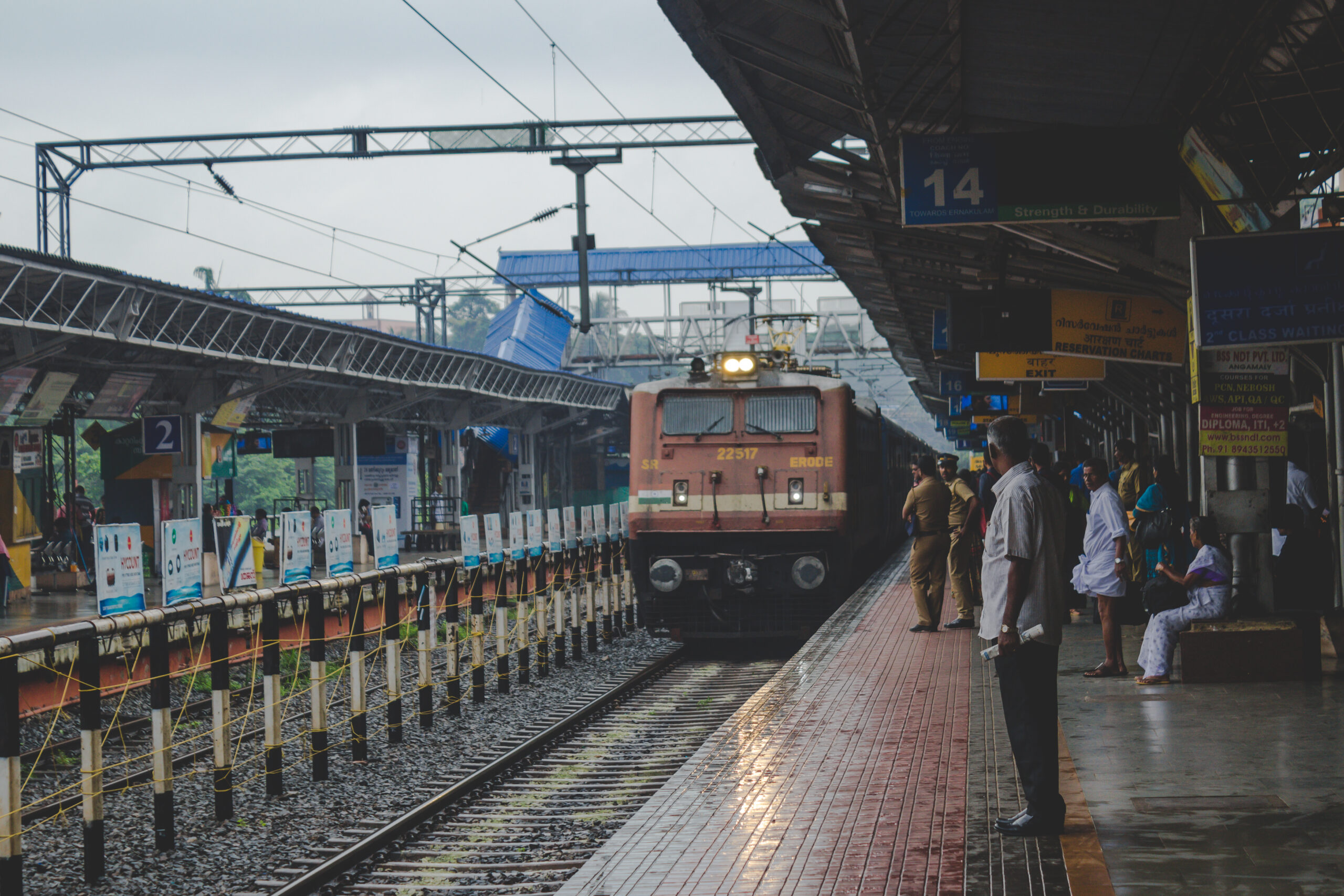
The summer heat was a shimmering, suffocating wave on Platform 5 of New Delhi Railway Station. Samay slumped against a steel pillar, scrolling through historical threads on his phone. Beside him, Samanvay stood straighter, his eyes tracing the path of a newly arrived Vande Bharat Express, its electric hum a sharp contrast to the distant clang of a goods rake. They were eighteen, home from their first year of engineering college, and waiting for the overnight journey south.
“Look at that,” Samanvay murmured, nodding toward the sleek, angular nose of the modern train. “Efficiency, speed, a truly interconnected nation. This is what science and infrastructure can achieve.”
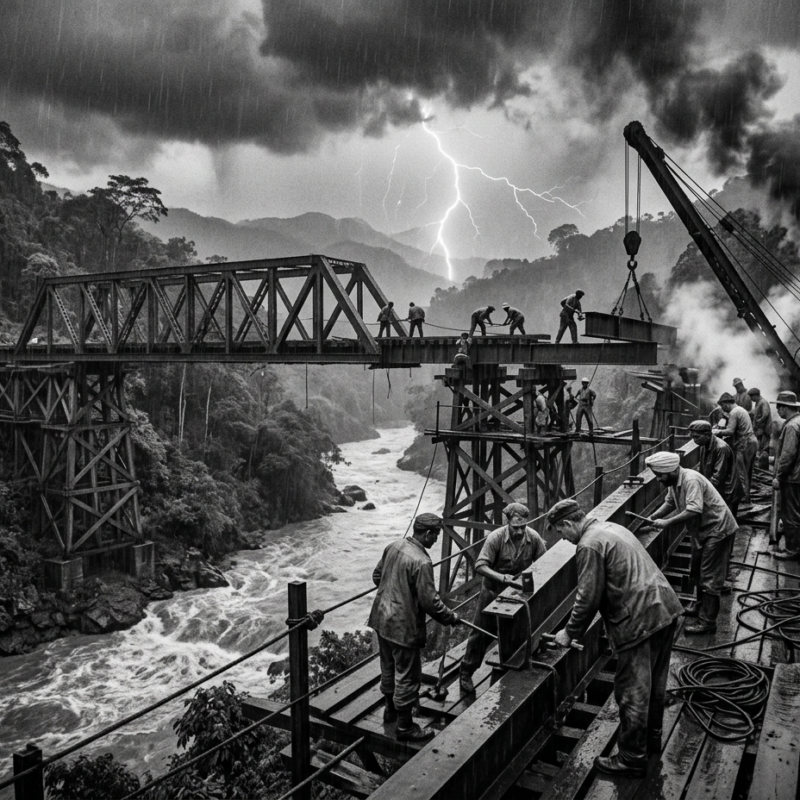
Samay lowered his phone, his expression cynical. He pointed, not at the Vande Bharat, but at a faded, soot-stained archway half-hidden behind the modern ticket office. “That’s where it started, Samanvay. And every single rail line laid down from that arch was a chain for us. They didn’t build the Great Indian Peninsular Railway to unite Indians; they built it to drain India. To haul cotton and coal faster from the interiors to the ports, and to move their soldiers swiftly to crush the next rebellion.”
“Yes, the intent was colonial exploitation,” Samanvay conceded, pushing his spectacles up his nose, “but history is more than intent, Samay. It’s about unforeseen impact. Imagine pre-1853 India—a thousand disparate kingdoms. The railways forced unification. They created a standard time zone! For the first time, a Bengali saw a Punjabi, and a Maharashtrian heard a Tamilian’s tongue. It fostered a shared sense of Indianness that made the freedom struggle possible.”
Samay scoffed. “A happy accident, then? We’re supposed to thank the economic invaders for accidentally making us friends? Their engineers were obsessed with profit, not brotherhood. They introduced the railway system to maximize the drain of wealth, plain and simple. We paid for the iron, the labour, and the profits went straight back to Manchester.”
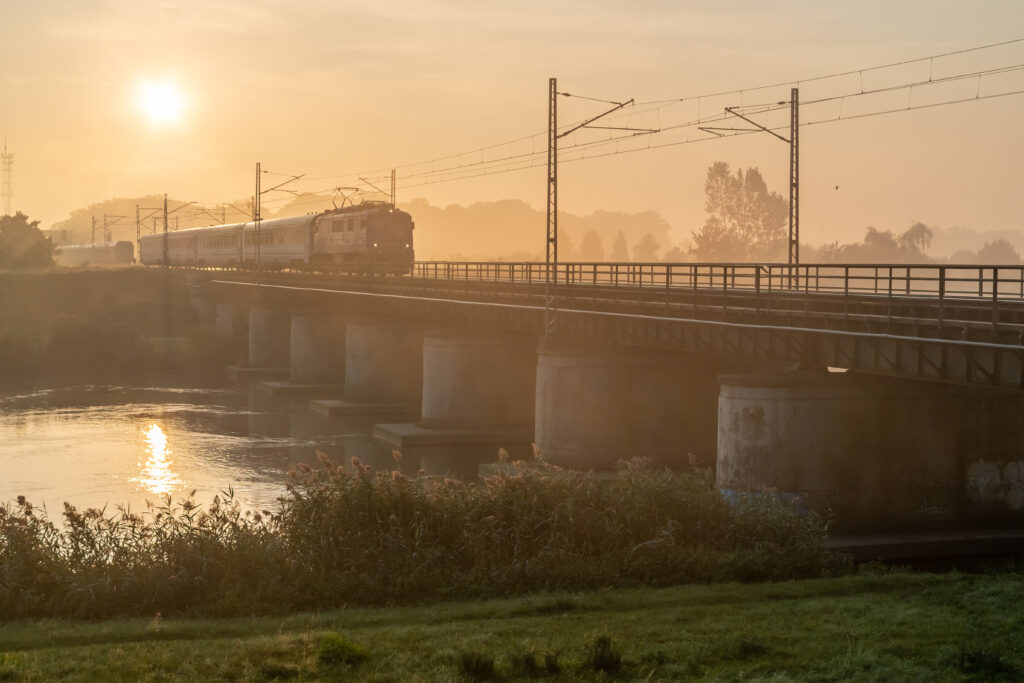
Samanvay stepped back, running a hand through his hair. “But we can’t discard the technological leap. Standardization, large-scale civil engineering, the very idea of maintaining a massive network—that was the spark of a scientific temperament in our society. That knowledge is what we built on. The British laid the tracks for their empire, but we used those very tracks as the foundation for our republic.”
A tired, uniformed porter wheeled a luggage cart past them. Samay watched the cart, then looked back at the magnificent, sleek Vande Bharat.
“So the dilemma is,” Samay finally said, rubbing his chin, “how do we merge these two truths in our minds? Do we praise the engineering while spitting on the exploitation that funded it?”
Samanvay grinned, the heat suddenly feeling less intense. “We don’t separate them, bhai. That’s the point. Our history is a paradox. The most efficient tool of oppression ended up being the single greatest catalyst for national unity and modernization. We accept the bitterness of the colonial hand that built it, but we claim the engineering marvel and the unity it forged as our own triumph. The railway is both our scar and our backbone.” As their train, the Kerala Express, pulled in, its horn a long, echoing blast across the platform, they picked up their bags, the weight of history feeling momentarily lighter as they realized the tracks, they were about to travel were not just steel, but the intertwined lines of conflict and consequence.
This short story is a work of fiction based on life experiences.